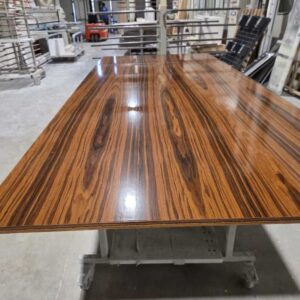
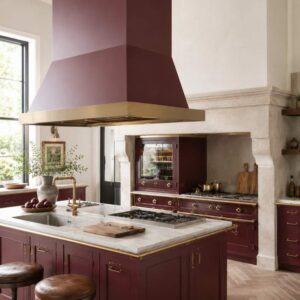
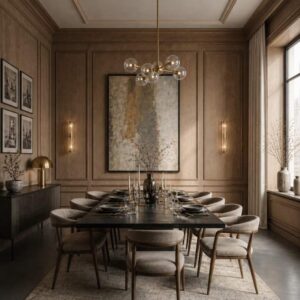
Wooden furniture painting: how to choose the best technique for your interior design project?
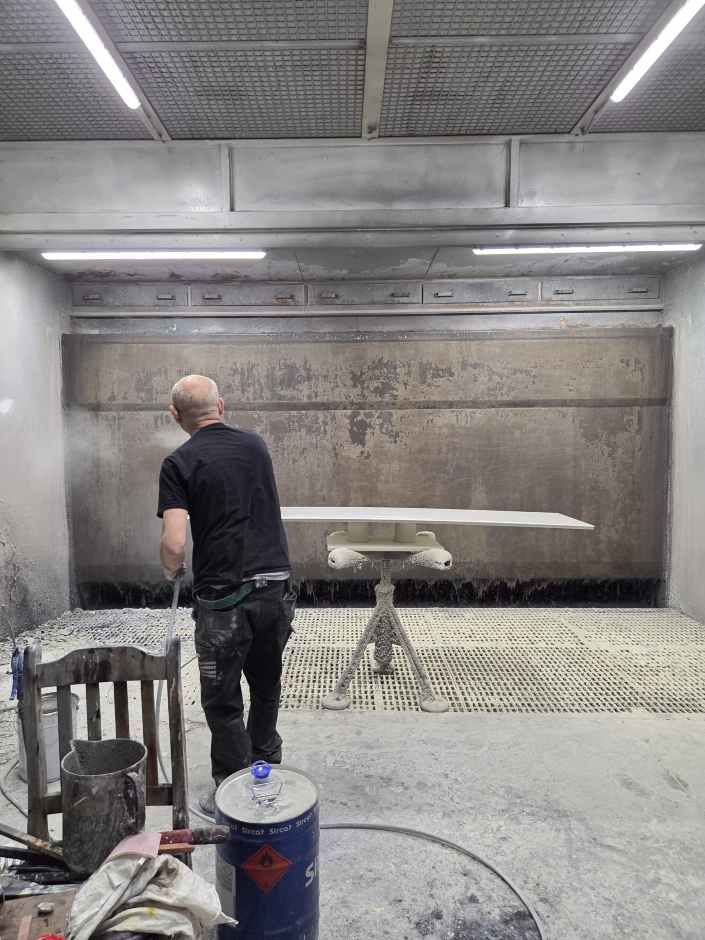
Today’s post covers a topic that is often overlooked: the wooden furniture painting. No, it isn’t a particularly technical subject. In fact, it is a decisive factor in the success of any interior design project, whether for commercial spaces or private homes.
It is therefore the responsibility of architects, interior designers and contractors to understand how wooden furniture painting works and how to recognise work carried out to the highest standards. Consequently, it is also their responsibility to identify which joinery workshops deliver impeccable work!
In fact, the finish of a piece of furniture can never be considered merely a protective coating applied at the end of the construction process. This is because it represents the definitive meeting point between the architect’s creative vision and the physical reality of the finished piece. In short, a well-executed finish transforms a raw structure into an object that interacts with the surrounding space.
When managing high-end projects, the finish on wooden furniture is, in practice, the guardian of the aesthetic and functional integrity of individual pieces. After all, a professional working in the luxury sector (or elite contract sector) knows that the perceived value of an interior also depends on how light falls on surfaces and how these feel to the touch. It is not so much a question of choosing a colour or a degree of gloss. It is a matter of mastering a series of artisanal processes that must harmonise with the specific characteristics of the particular wood species.
Consequently, approaching the wooden furniture paintingcorrectly requires a technical sensitivity that can anticipate how the material will react over time and under different environmental conditions.
Clients are seeking solutions that go beyond the ordinary. In other words, they want finishes that enhance the depth of the grain without concealing it. They also seek finishes that create lacquered surfaces free from any visual imperfections. From this perspective, a supplier of excellence must act as an expert consultant, guiding the designer through the complexities of modern chemistry and the opportunities offered by new sustainable technologies.
In this guide, we will explore the key elements for achieving results that meet the most rigorous criteria of international design. We will analyse every stage that transforms a finish into an indisputable mark of quality. And this applies to various types of interior design projects.
Which wooden furniture painting?
Il Piccolo has over 50 years’ experience.
>>> Contact us and let’s discuss it<<<
Meticulous surface preparation is a prerequisite for luxury
Every finishing expert knows that the final quality of a piece of furniture is determined before the first drop of varnish touches the wood grain.
The preparation stage is the most critical moment and, perhaps, the one most underestimated by the less experienced. Yet it is here that excellence in the wooden furniture painting is determined.
The process begins with sanding, which must follow strict rules to avoid scratching the wood grain or sanding it down too much. Using sandpaper of different grits in succession is not an optional suggestion, but a technical necessity to remove marks from previous work and achieve a uniform finish. If a surface is not perfectly flat and clean, every subsequent coat of varnish will only amplify the defects rather than hide them. In the context of high-end cabinetmaking, the piece must be completely clean, as even a tiny speck of dust can compromise the adhesion of the protective film.
Another aspect an architect must consider when choosing a partner joinery firm is the control of the wood’s internal moisture content throughout the entire production process. Indeed, wood is a material that continues to breathe and move, and if it is treated before it has reached hygroscopic equilibrium with the environment, the risk of future peeling or cracks in the finish becomes almost certain. The art, therefore, lies in knowing how to treat each wood species with the respect it deserves. For example, flamed oak requires a different approach to dense ebony or Canaletto walnut.
In short: when we talk about luxury , the wooden furniture painting demands that the surface be so smooth and free of tension that it appears almost velvety. And this is even before the primer is applied. Such attention to detail ensures that the furniture is not only beautiful on the day of delivery, but that it retains its integrity for decades.
Therefore, a supplier who dedicates time to preliminary preparation demonstrates a deep understanding of the nobility of the material they are treating on behalf of the client.
How to finish wooden furniture?
Il Piccolo has over 50 years’ experience.
>>> Contact us and let’s discuss it<<<
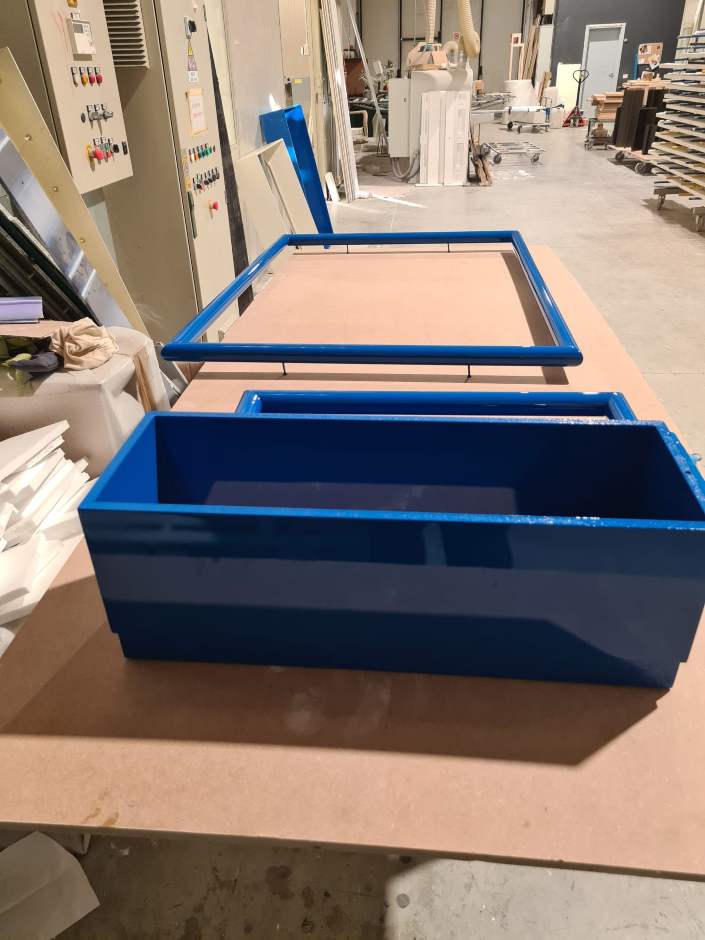
The informed choice: water-based technologies or solvent-based systems?
The regulatory landscape and growing awareness of the health of those living in luxury spaces have revolutionised the way we think about the chemical composition of finishes. In modern wooden furniture painting, the debate between the use of water-based products and classic solvent-based systems is very much alive and requires in-depth knowledge of the technical performance of both.
Water-based finishes have made significant strides in recent years, achieving levels of chemical and mechanical resistance that make them suitable even for the most intensive uses, such as those required in large-scale contract projects or the luxury hotel sector. These coatings offer the advantage of reducing emissions of volatile organic compounds, contributing to superior air quality. This is a key selling point for architects who must meet strict environmental certification requirements and who wish to offer a healthier environment to their end clients.
On the other hand, solvent-based coating systems, such as high-end polyurethanes or acrylics, still hold a prominent place when a particular optical depth or the rapid drying times required by certain production schedules are sought. These products undoubtedly bring out the natural grain of the wood in a spectacular way, especially on dark and exotic woods.
A high-quality supplier must be able to advise when it is appropriate to use green technologies and when, for aesthetic reasons, it is better to opt for a traditional system, whilst still ensuring maximum safety.
Choosing the right resin also affects resistance to yellowing over time, a vital factor if the furniture is intended for rooms flooded with sunlight. The wooden furniture paintingmust therefore be viewed as a bespoke process, tailored specifically to each environment. In particular, it is essential to intelligently balance the visual appearance, sustainability and durability of the piece within its intended setting.
Which finishes for different types of wooden furniture?
Choose a company with over 50 years’ experience.
>>> Contact us and let’s discuss it<<<
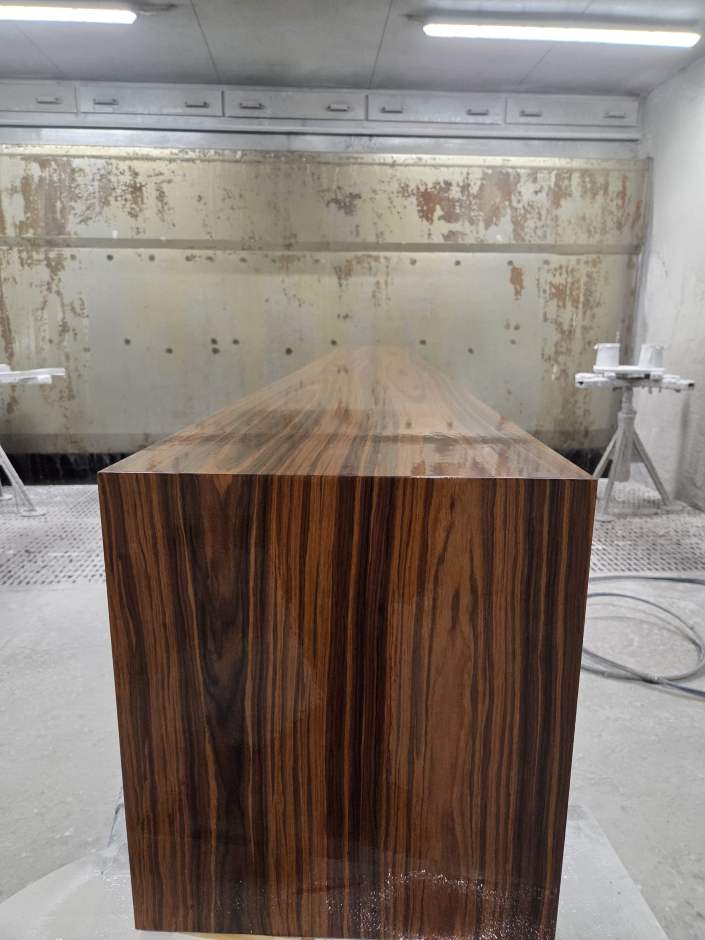
The art of application and process control
Once the technical strategy has been defined and the substrate prepared, the application phase becomes the arena where human skill meets technological precision.
In the most prestigious architectural firms, it is well known that the operator’s skill and the quality of the equipment make the difference between an industrial finish and one of excellence. For example, wooden furniture painting requires spray booths where temperature and humidity are regulated with extreme precision. This is because even a slight climatic variation can alter the surface tension of the liquid during the drying phase. The paint must be applied evenly across every square millimetre, avoiding build-up on edges or thin areas, which would become brittle over time. In large-scale contract projects, the challenge is to maintain this consistent quality across hundreds of different pieces, so that the first painted panel is identical to the last one delivered to the site.
There are also special processes that require the manual skills of yesteryear, such as hand-brushed lacquering or pad-finishing. These are techniques that still find their place in the most exclusive furnishings today. In these cases, the wooden furniture painting becomes a ritual consisting of slow steps and subtle layers. Here, the craftsman’s patience is the key ingredient.
A contractor should always check whether their supplier has intermediate quality control processes in place, such as measuring the thickness in microns or using raking light to detect any dust inclusions. UV technology, on the other hand, offers instant curing solutions that produce hard, durable surfaces. This process is ideal for worktops and for furniture intended for high-traffic public areas.
Knowing how to combine these different application methods allows us to meet every design requirement. This helps us offer the most effective technical solution for the specific intended use of the furniture.
How to varnish wooden furniture?
Il Piccolo has over 50 years’ experience.
>>> Contact us and let’s discuss it<<<
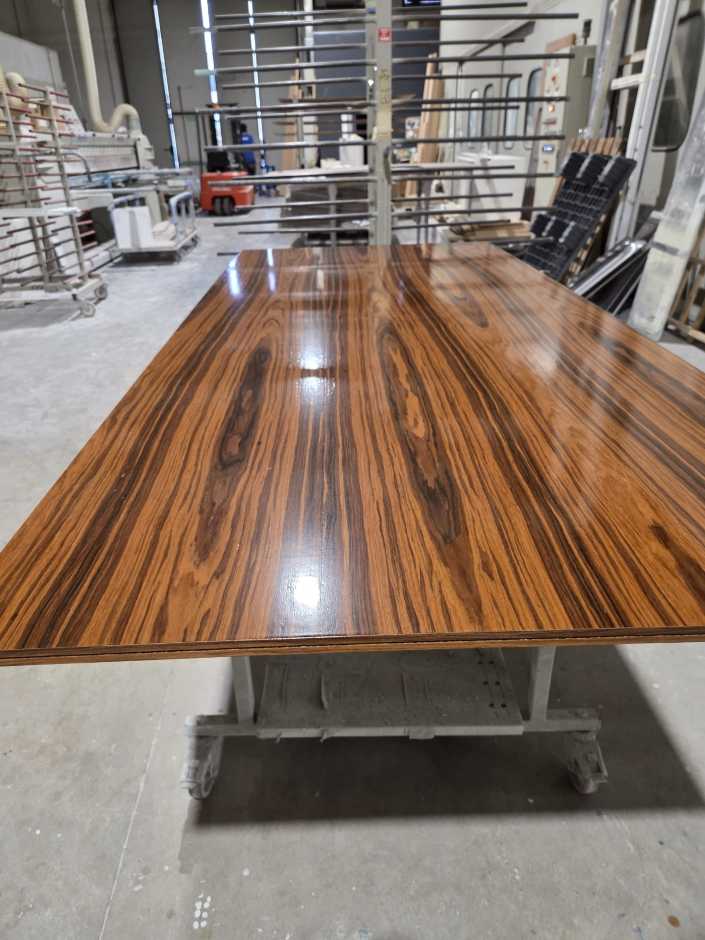
The language of colours and interaction with architectural lighting
The aesthetic aspect of the finish is not just about protection; it is the language through which the furniture communicates with the surrounding architecture.
When an architect defines the colour palette of an interior, the wooden furniture painting must translate those ideas into reality. After all, managing pigment on wood is a complex science, as the applied colour always blends with the natural colour of the underlying wood grain. In this sense, a dove grey will appear different when applied to oak or ash, due to the different tannins and specific porosity of each wood.
The best joinery workshops offer a bespoke sampling service, allowing designers to see and feel the final effect first-hand before mass production begins. This testing phase is essential to avoid unpleasant surprises during installation, especially when coordinating furniture produced by different suppliers.
Another observation. In contemporary interior design, there is a constant search for tactile effects, ranging from super-matt (which absorbs light, making the surface almost invisible) to super-glossy (which transforms the furniture into a mirror of water). Painting open-pore wooden furniture, for example, allows the grain to be coloured whilst leaving the natural structure of the wood’s pores visible and perceptible to the touch. Conversely, closed-pore lacquering creates silky, uniform surfaces, which lend themselves to bold colour schemes or highly striking metallic finishes.
It is essential that the architect assesses how colour changes under different light sources, from the warm LEDs of private homes to the lighting in offices or commercial spaces. Expert advice allows the paint formulation to be calibrated so that the furniture maintains the desired harmony in all lighting conditions. This ensures visual consistency, which is, among other things, the true hallmark of an interior design project where every detail has been carefully considered.
What wooden furniture painting?
Il Piccolo has over 50 years’ experience.
>>> Contact us and let’s discuss it<<<
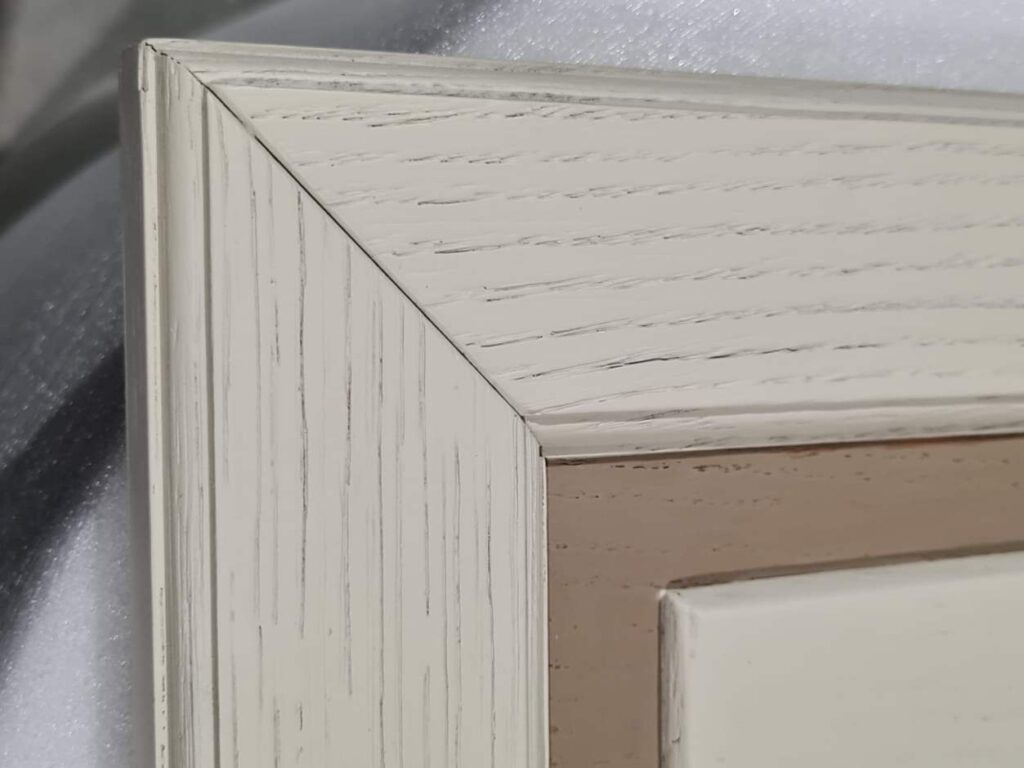
Durability and routine maintenance in high-end furnishings
An outstanding furniture design must be conceived to stand the test of time. This means it must retain its beauty even under the strain of daily use.
The final stage of the wooden furniture painting process must therefore incorporate solutions that enhance the furniture’s longevity and make it easy for the end user to maintain.
In the contract sector, resistance to cleaning chemicals, scratches and knocks is a non-negotiable requirement. There are, for example, finishes that create surfaces highly resistant to fingerprints – solutions that are ideal for furniture that is frequently touched. Consequently, a reputable supplier does not simply deliver the finished product, but provides the designer with a detailed technical data sheet explaining how to maintain the finish over time, avoiding the use of aggressive cleaning agents that could compromise the protective surface layer.
But that’s not all. We must also consider that the wooden furniture painting has a direct impact on the future repairability of the item. How so? Natural finishes, such as oils and waxes, whilst offering less protection than synthetic systems, allow for simpler localised restoration work. This is a feature highly valued by customers who view furniture as a long-term investment. On the other hand, modern high-solids acrylic paints provide an almost impenetrable barrier, protecting the wood from moisture and the most stubborn stains.
The choice of the ideal finish must therefore stem from an open dialogue between the contractor and the finishers, analysing the expected lifespan of the furniture. Investing in a superior application technique means reducing replacement and maintenance costs in the years to come, thereby strengthening the reputation of both the architect and the supplier.
Ultimately, the wooden furniture painting represents a touch of masterful craftsmanship, one that bridges the nature of wood and the culture of design. Therefore, making the best possible choice means transforming every single project into a testament to expertise, care and a genuine passion for beauty.
Do you need to create luxury furniture?
Il Piccolo has over 50 years’ experience.
>>> Contact us and let’s discuss it<<<
Il Piccolo develops high-end interior and furnishing projects for residential, retail and contract spaces. With over 50 years of experience and a specialist joinery workshop, we collaborate with architectural firms, designers and contractors to create bespoke environments, integrating design expertise, custom production and a selection of the finest Italian and international design brands. The showrooms in Milan and Brianza showcase materials, solutions and collections dedicated to high-end shops, boutiques and stores. Among the clients who have entrusted us with the fit-outs of their boutiques, stores and shops are Versace, Buccellati, Etro and Roberto Cavalli.