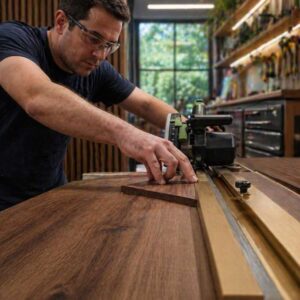
A Commercial carpentry: how to choose the best one?

Choosing a Commercial carpentry is one of the most strategic decisions an architect (or brand manager) can face.
It is not merely a matter of aesthetic preference. It is a choice that has a clear impact on the final result. Because, in the context of a retail or contract project, furnishings are more than just objects: they define the visitor’s experience, communicate the brand’s values and, ultimately, contribute to the commercial success of the individual space.
The market for bespoke commercial fittings is saturated with options. Yet not all carpentry workshops have the capability to work to such high standards. So how do you distinguish those who are up to the task from those who turn out to be a disappointment once the work is delivered? There are specific criteria to assess. This article analyses them, one by one.
Technical expertise cannot be improvised
When evaluating a Commercial carpentry, the first thing to investigate is technical expertise. But be careful: it is not enough for the joiner simply to know how to work with wood. A commercial fit-out professional must have a thorough understanding of retail principles. They must understand how customers move within a retail space, what the ideal visual flow is, and where to position display elements to maximise the product’s appeal and encourage customers to spend more time in the store.
This means that dialogue with the architect cannot be superficial. On the contrary, it must go into depth. Those who produce quality commercial furniture must therefore receive a detailed design and transform it into real objects without losing a single millimetre of precision. They must know how to handle joints, how to treat surfaces, and which types of wood best withstand the wear and tear of a high-traffic retail outlet.
Then there is the question of technological integration. The best professionals in the carpentry trade specialising in commercial fit-outs have been working for years with recessed lighting systems, concealed opening mechanisms, and modular solutions designed to facilitate periodic restyling. This is not an afterthought: it is an integral part of the project. Commercial furniture that ignores these solutions is already outdated even before it is installed.
Finally, there is an aspect that is often overlooked: understanding the brand. An experienced craftsman does not simply produce what he sees in the final design. He reads between the lines. He understands the emotions the finished space must evoke and directs his finishing choices accordingly. It is this sensitivity that distinguishes a mere manufacturer from a true creative partner.
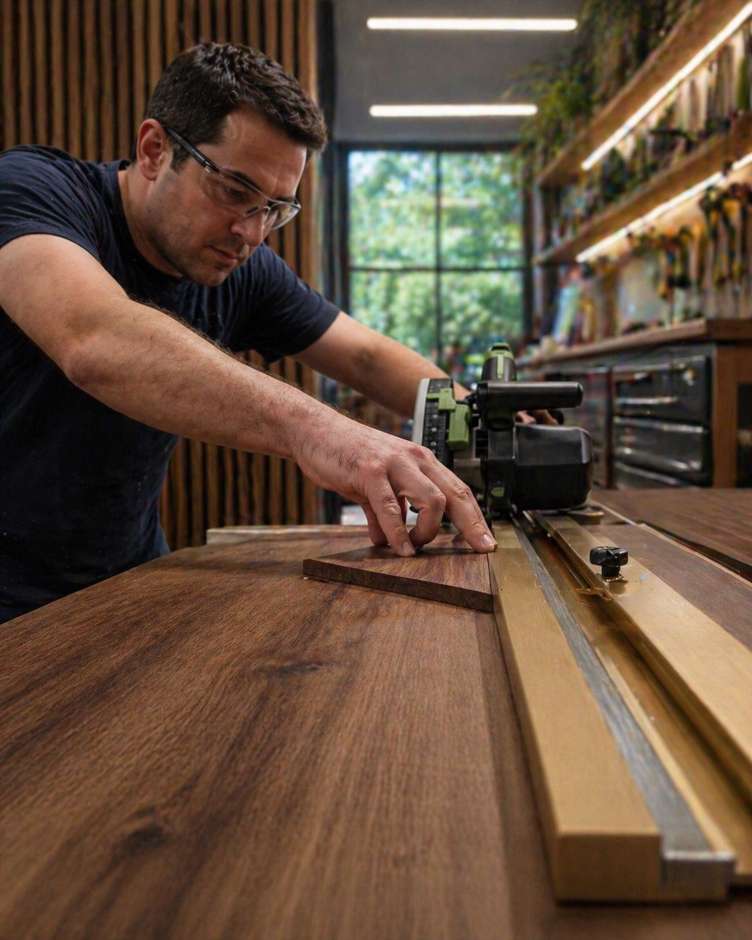
Materials indicate the quality level of a Commercial carpentry
In the commercial carpentry sector, the choice of materials is revealing. Indeed, materials tell the story of who your brand is, what position it occupies in the market, and how much respect it shows for the customer entering the shop.
A reputable Commercial carpentry works with certified raw materials. It knows the provenance of the timber and guarantees the sustainability of the supply chain. This aspect is increasingly sought after by international brands, as they must meet specific ESG commitments towards shareholders, customers and stakeholders.
In practical terms, solid wood, natural stone, handcrafted metals and sophisticated galvanic finishes combine to create furnishings with an imposing physical presence. A walnut counter with brass detailing becomes a tool that instils confidence in the consumer, a silent promise of quality.
In this sense, tactile perception matters just as much as visual perception. A customer who touches a high-quality surface forms an unconscious judgement of the brand. It is a judgement that is rarely overturned.
Consequently, choosing the wrong specialist commercial fit-out carpenter (one that cuts corners on materials or sacrifices the quality of finishes) means paying a very high price. Not only in financial terms, but above all in terms of image. And in certain markets, restoring a damaged reputation is a far more difficult task than building one from scratch.
Operational reliability is the criterion that makes the difference
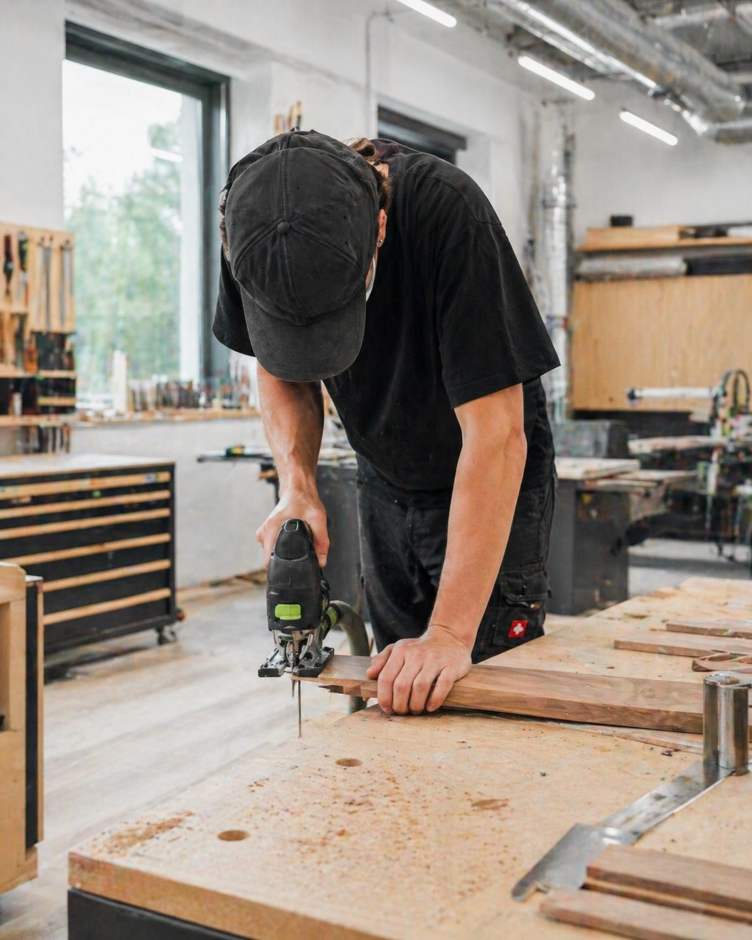
There is one aspect of a Commercial carpentry that often does not receive the attention it deserves. What is it? It is managerial capability.
Producing excellent fittings is necessary, but not sufficient. You must be able to deliver on time, manage logistics flawlessly, and coordinate installation without a hitch. This is especially true when sites are located in different countries or in hard-to-reach locations.
A retail project that suffers delays has direct consequences for the client’s business. A delayed opening results in tangible losses. Fittings damaged in transit must be remade, and the time lost cannot be recovered. This is why a carpentry supplier specialising in commercial fittings must have a very solid organisational structure behind them.
Frequent and transparent communication throughout the production cycle is another important indicator. The best suppliers keep the client updated at every stage: from workshop production to packaging, right through to on-site installation.
How do you assess all this during the selection process? You ask the potential supplier to show their portfolio of international projects. You check the stated delivery times against those actually met. You also investigate how they handled unforeseen problems. Indeed, because on a site there are always surprises, and the quality of a professional is also measured by their ability to resolve them without causing harm to the client.
Finally, there is the matter of references. A commercial carpentry professional working at a certain level has clients willing to vouch for them. Architects, brand managers and interior designers who can describe what the collaboration was like. These testimonials are worth far more than any glossy brochure or computer-generated rendering.
In conclusion, selecting the best Commercial carpentry requires a comprehensive assessment. Technical expertise, quality of materials and organisational strength are three pillars that must stand together. Compromising on just one means putting the entire project at risk. It is therefore worth dedicating the necessary time to a careful assessment. The results, both aesthetically and commercially, will undoubtedly repay the effort.
Choose a top-notch woodworking shop.
We have over 50 years of experience!
Contact us!