Bespoke luxury kitchens: a comprehensive guide (all the best design tips)
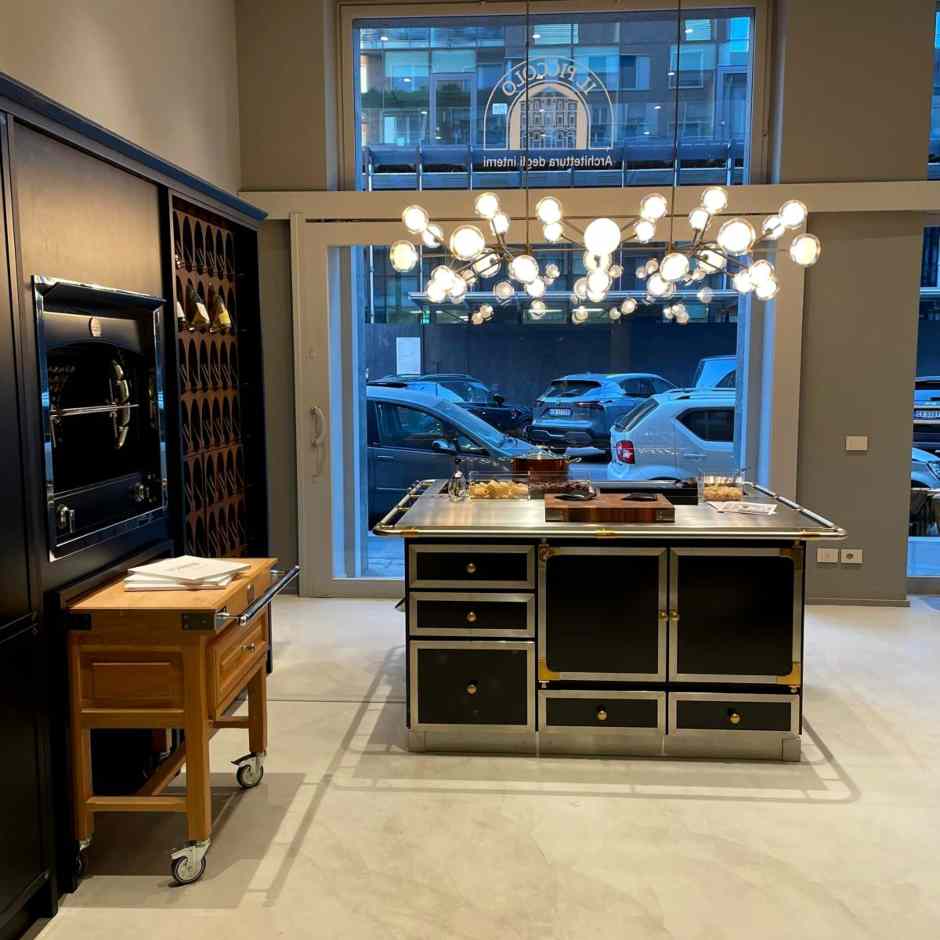
Creating high-end interiors requires meticulous attention to structural, technical and aesthetic details. This is particularly true of the kitchen, as it is one of the heart of contemporary homes.
Moving away from prefabricated units becomes a necessity when working on exclusive property projects. Bespoke luxury kitchens are designed precisely to meet this technical and aesthetic need. After all, a discerning client knows full well that spatial compromises detract from the value of the final result, as industrial production imposes both dimensional and aesthetic limitations.
Bespoke design completely eliminates any such troublesome issues. Because every single centimetre is calculated and optimised to ensure maximum ergonomic functionality. This engineering approach thus transforms the room into a veritable living machine. Millimetre-precise craftsmanship allows the furniture to blend seamlessly with the walls, floors and ceilings. The working area thus merges with the architecture, and does so effortlessly.
The process of creating bespoke luxury kitchens requires weeks of planning. Professionals analyse workflows, natural light sources and structural loads before drawing up the plans. On the other hand, we are not talking about a simple assembly of wooden furniture. It is a true feat of interior engineering.
In particular, the design of a bespoke kitchen must take into account plumbing, electrical systems and air extraction systems. All these elements are concealed within cavities specifically created by cabinetmakers. The technical objective is to deliver a well-balanced environment. Thus, the purest aesthetics must conceal professional-grade mechanical and systems technology.
The high-end furniture market offers complex solutions for those seeking absolute perfection. Understanding the sector’s production dynamics helps professionals (and end customers) make informed decisions. Choices must always be based on concrete facts and measurable quality parameters. In the following sections, our guide will analyse in detail the characteristics that define advanced joinery projects.
What is the style of bespoke luxury kitchens?
The aesthetic of a bespoke luxury kitchen does not follow mass-market trends. High-end interior design, in fact, requires a stylistic consistency that must last for decades, without ever appearing outdated.
And so? Bespoke luxury kitchens take on forms linked to the building’s architectural context. At present, the international market is seeing strong demand for the minimalist style. This approach involves the complete elimination of visible handles, superfluous decorations and geometric interruptions. The volumes appear as monoliths of pure material. Large central islands seem carved from a single block of natural stone. Wall units blend seamlessly with the structure of the home. Often, the cupboards feature retractable, concealed door systems. These are complex mechanisms that allow entire work areas to be hidden away when not in use. Once the doors are closed, the room appears as an elegant extension of the living room.
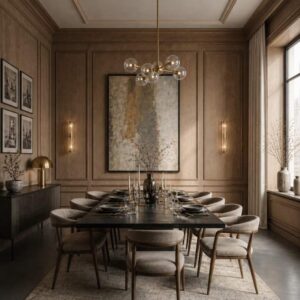
Another stylistic direction evident in recent designs is the transitional style. This trend blends contemporary geometric rigour with elements of traditional cabinetmaking. We therefore find doors with subtle mouldings, crafted to ensure perfect golden ratios. The profiles are often slimmed down and paired with cool metals, creating a visual and tactile contrast. Extractor hoods become dominant sculptural elements, crafted from burnished metals or finished in plaster. The proportions of each individual element are determined by the room’s floor area and ceiling height. A professional would never install a standard hob unit in a kitchen with four-metre-high ceilings. The heights of wall units are calibrated to make the room appear more slender or to rebalance a space that is too vast.
The classic style also retains a certain market share, especially in historic villas and stately homes. Here, bespoke luxury kitchens require manual work involving carving and inlay. Solid wood panelling covers the walls, incorporating even large appliances. The mouldings and capitals are designed and produced individually. Colour consistency is ensured by the use of paints applied by specialist craftsmen.
In any case, whatever the aesthetic of the interior design project, the defining feature remains absolute proportion. In other words, there are no standardised measurements to which one must conform. Every line responds to a precise intention.
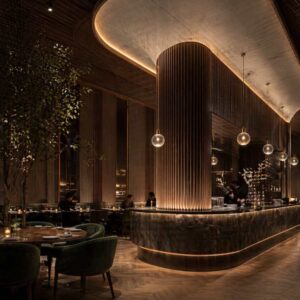
Lighting plays a decisive role in emphasising these stylistic choices. For example, LED strips are recessed beneath worktops or inside display cabinets. In the kitchen, light itself becomes a building material, designed to highlight the textures of surfaces without creating annoying glare.
Bespoke luxury kitchens?
We have 50 years of experience.
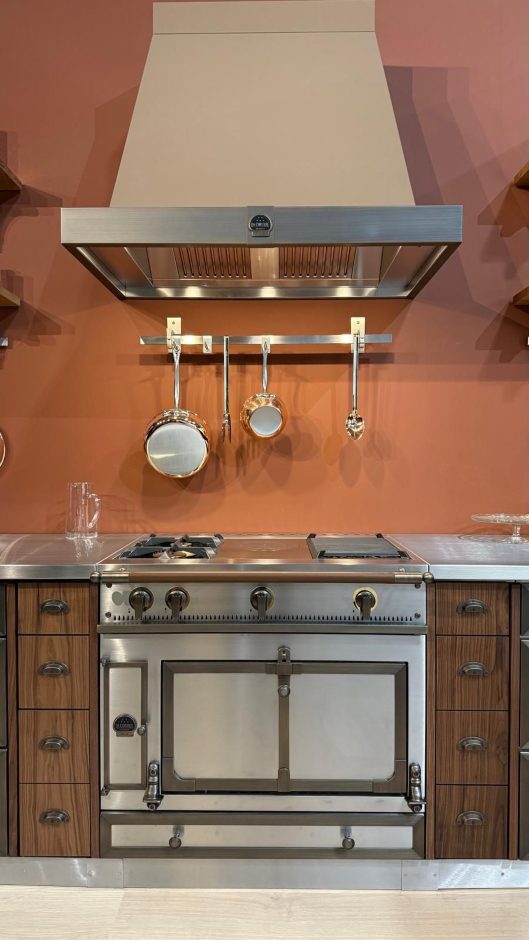
What materials for a bespoke luxury kitchen?
The analysis of materials marks a clear distinction between industrial production and high-end cabinetmaking. For example, the longevity of a piece of furniture depends in many ways on the composition of its internal frame.
Bespoke luxury kitchens never use chipboard for load-bearing structures. The most skilled manufacturers use solid wood blockboard instead. This material offers exceptional mechanical strength and does not warp when exposed to moisture or steam. Furthermore, screws and metal fittings find in such a substrate an anchor that does not give way over time.
The specific gravity of the finest woods is far greater than that of industrial composites. This factor requires careful design of wall-mounted suspension systems. The fronts and doors represent the aesthetic and functional shell of the design. The choice of wood species includes, for example, Macassar ebony, Indian rosewood, Canaletto walnut or smoked eucalyptus. The cabinetmakers match the veneers following the natural grain of the log. It is a laborious process that creates a continuous pattern. A pattern that runs across all the doors of the unit without interruption.
Lacquered surfaces require equally complex finishing processes. Joineries specialising in bespoke luxury kitchens apply up to ten coats of lacquer. Each layer is sanded by hand before the next is applied. This procedure gives the kitchen units a smoothness comparable to that of car bodywork. Glossy brushed lacquers offer a mirror-like effect that is free from any optical distortion.
Recently, there has been an intensive use of liquid metals. Powders of brass, copper or zinc are mixed with special resins and sprayed onto wooden panels. The surface is then chemically oxidised to achieve unique patinas. This technique combines the lightness of wood with the appearance of solid metal.
Similarly, worktops adhere to strict durability standards. Natural stone remains the preferred choice for the most prestigious projects, sourced directly from quarries. The slabs are cut to size and often hollowed out internally to reduce their structural weight. The joints between the various pieces of stone are sealed with pigmented resins. This process makes the joints invisible to the naked eye.
Thick stainless steel dominates the areas dedicated to professional cooking. The sheets are seamlessly welded, integrating the sinks and hobs into a single metal element. Steel ensures an excellent level of hygiene in bespoke luxury kitchens and withstands extremely high temperatures.
The use of latest-generation technical ceramics offers an alternative to natural stone. These large sintered slabs faithfully reproduce the appearance of rare marbles. Their advantage lies in their total impermeability to acids and resistance to deep scratches. However, combining such diverse materials requires a thorough understanding of their physical properties. Wood expands, metals conduct heat, and stone remains rigid. Bringing these elements together in a kitchen requires precise calculations regarding expansion tolerances.
The best high-end kitchens?
We have 50 years of experience.
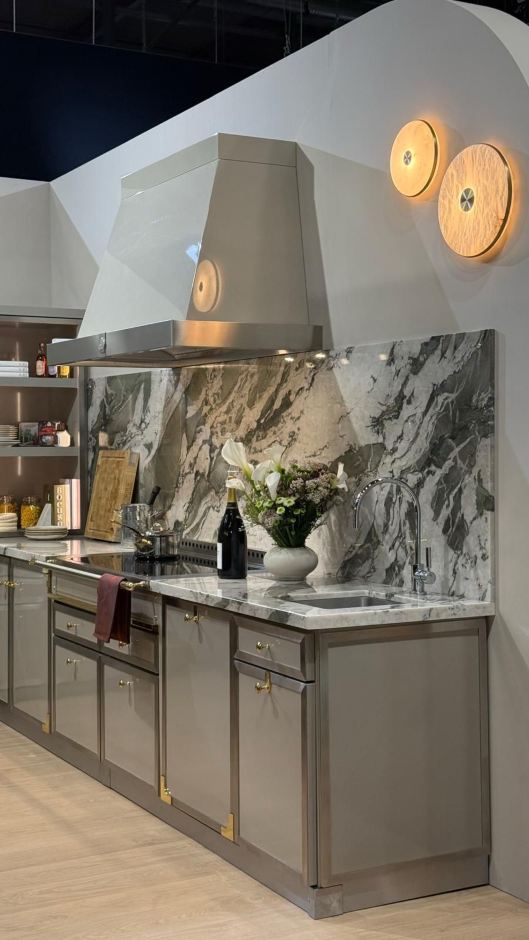
How can you recognise a bespoke luxury kitchen?
Careful observation of the technical details undoubtedly allows you to identify the quality level of a piece of furniture.
And in the case of bespoke luxury kitchens? Well, they stand out first and foremost for the total absence of compensatory elements. What does this mean? In a bespoke design, the units sit flush against the walls and ceiling with a tolerance of just a few millimetres. There are no false wooden strips to cover the gaps between the unit and the wall. The cabinetmaker shapes the sides of the units to follow the contours of the walls, compensating for any unevenness in the walls directly on the piece of wood.
A second indicator concerns the thickness of the materials used. Standard doors are (usually) eighteen or twenty millimetres thick. In the high-end range, thicknesses start at twenty-two millimetres and can exceed thirty millimetres. This increase in mass imparts a characteristic sound when the door is closed. It also prevents any warping or buckling of the panel over the years. The internal back panels of the units are also substantial in thickness, often exceeding one centimetre, to ensure maximum rigidity of the cabinet.
Concealed mechanical fittings are another distinctive feature of a bespoke luxury kitchen. Top-tier and ultra-premium manufacturers use only mechanisms tested for hundreds of thousands of opening cycles. The hinges must, in fact, support heavy loads without ever giving way or becoming misaligned. For their part, the drawer runners allow smooth sliding even when the drawer is loaded with tens of kilograms of crockery. The sliding systems include dampers that gently slow the drawer during the final few centimetres of its travel.
More complex designs use concealed hinges or servo-assisted motorised opening systems. How do they work? A light touch on the front is enough to activate a silent electric motor, which opens the drawer automatically.
A visual inspection of the kitchen interiors provides further confirmation of quality. The drawers are never made from simple industrially painted metal. The inner sides are, in fact, made of solid wood and joined using traditional dovetail joints. Alternatively, sides are made of tempered glass combined with anodised aluminium extrusions.
The base of the drawers is sometimes lined with genuine leather, technical microfibre or natural felt. This thoughtful detail eliminates the clatter of cutlery and prevents scratches on the finest cookware.
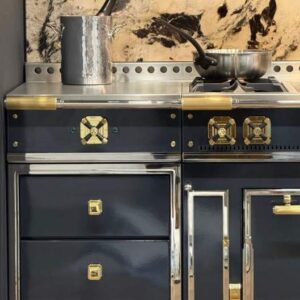
When it comes to bespoke luxury kitchens, the integration of appliances requires absolute precision in construction. For example, ovens and wine coolers are flush-mounted with the doors, with no protrusions and no visible gaps. The ventilation grilles, which are necessary to dissipate heat, are concealed in the base plinth or milled into the wood of the doors.
The interior lighting also follows precise rules. For example, opening a door activates optical sensors that switch on invisible LED strips. Furthermore, electrical cables run within concealed milled channels, never being exposed to view or accidental contact.
The finish on the rear of the central islands reveals the project’s overall attention to detail. In a high-end design, the rear of the unit features the same finishes, the same thicknesses and the same continuous grain as the front. There are no hidden corners or areas finished with low-quality materials.
The best bespoke kitchens?
We have 50 years of experience.
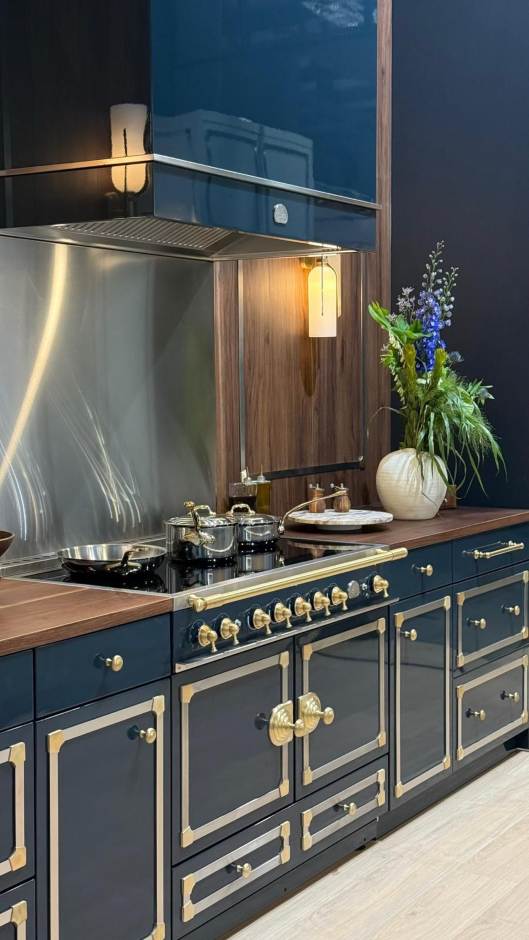
Who should you buy a bespoke luxury kitchen from?
Identifying the right manufacturing partner determines the success or failure of the entire architectural project. In fact, not all furniture-making workshops have the necessary expertise to handle complex orders.
How do you know where to start? Let’s begin here: to purchase bespoke luxury kitchens, it is essential to turn to workshops equipped with an in-house, qualified technical department. The first factor to assess is the ability to liaise with architectural firms and the end client. The supplier must be able to interpret complex CAD files, manage three-dimensional models and produce detailed production drawings. Consequently, the absence of surveyors or engineers within the supplier’s staff poses a risk for projects of this scale.
That is not all. The technical team must visit the site several times to carry out precise measurements using high-precision surveying equipment. Indeed, only through millimetre-accurate measurements is it possible to order expensive materials without risking cutting errors. In this sense, the best joinery workshops do not merely create and sell furniture, but support the designer in every decision.
A second key aspect concerns prototyping capability. When special finishes or non-standard opening systems are used, the supplier must be able to produce full-scale physical samples. The client and the architect must be able to test the sturdiness of a door or assess the sheen of a lacquer finish before proceeding to final production. This approach prevents misunderstandings and ensures complete transparency regarding the kitchen’s final result.
The management of logistics and international shipping also defines the supplier’s calibre. Very often, the furniture must be transported to other continents, facing climatic variations and mechanical stresses. The supplier must design packaging certified for sea or air transport. Each package must be catalogued and tracked to facilitate unloading on site. Managing customs clearance for high-value materials requires specific customs expertise, which a simple retail shop does not possess.
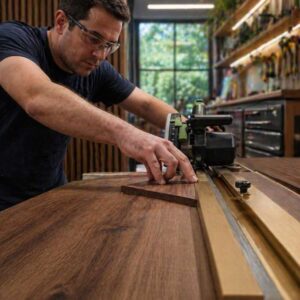
The most critical phase of the entire process is on-site installation. The assembly of bespoke furniture cannot be entrusted to general fitters. Consequently, the supplier must ensure the use of in-house teams, comprising true master carpenters. These on-site technicians are well versed in the project’s construction details, as they have overseen production at the factory.
During the installation of bespoke luxury kitchens, the carpenters must have the necessary equipment to make any alterations on site. For example, if a wall reveals an unexpected structural defect, the team must be able to shape the panels on the spot. All this to ensure a flawless aesthetic result.
What else is there to say? The site must be managed with great rigour, protecting the floors and coordinating schedules with plumbers and electricians.
Finally, it is essential to assess the after-sales services offered by the joinery firm. Hinges may require adjustment after a few months of settling. Kitchen appliances may need specific calibration. A reliable supplier offers prompt maintenance services, documenting each visit with a report provided to the client. This level of support distinguishes true professionals from mere commercial intermediaries.
The best bespoke kitchens?
Il Piccolo has been creating them since 1968.
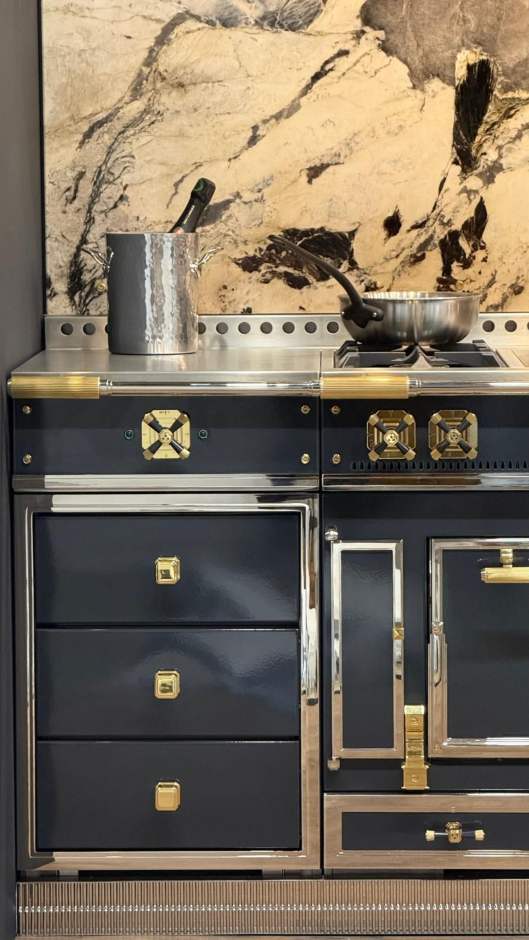
In conclusion…
Incorporating bespoke furnishings into a home represents a long-term investment. Indeed, market data confirms that properties with luxury bespoke kitchens see an increase in their property value. Such appreciation stems from the enduring nature of these architectural creations.
The high-quality materials used, such as stone and structural timber, ensure a lifespan that exceeds that of industrial products by decades. Mechanical wear is eliminated through the use of professional hardware tested for extreme stress. The precision of the joints and the solidity of the internal frames prevent structural failure caused by daily loads and environmental vibrations.
In short: opting for bespoke joinery means eliminating the physical limitations imposed by mass production. Spaces are rationalised according to rigorous mathematical and ergonomic principles. Domestic workflows become fluid and free of visual or physical obstacles. Cooking, extraction and refrigeration technologies are incorporated into silent, elegant units. Consequently, the home acquires an unrivalled level of formal clarity and geometric rigour.
Every stage of development requires a factual analysis of living requirements and material performance. The collaboration between the architectural practice and the joinery workshop produces engineering results of the highest calibre. The absence of aesthetic and technical compromises creates safe, functional and durable environments.
A deep understanding of these production dynamics allows for an appropriate assessment of the financial commitment required for such unique works. Conversely, a well-executed project becomes a tangible asset for those who inhabit the space on a daily basis.
One final observation, before concluding. The construction examples presented in our guide demonstrate how master craftsmanship and materials engineering are the only path to excellence in contemporary interior design. And this is a truth that emerges above all when discussing bespoke luxury kitchens.
Do you need to furnish a home or a single room?
Choose a high-end joinery firm.
Il Piccolo, a second-generation family business, is opening its showroom in Lugano. With over 50 years of experience, Il Piccolo brings with it a wealth of technical and design expertise of the highest calibre, thanks to the numerous interiors it has designed and furnished worldwide. Furthermore, Il Piccolo represents many of the finest international luxury furniture brands. We design, manufacture and sell the very best in design. When it comes to La Cornue kitchens, we support the client from the design stage right through to the completion of the project, integrating the entire process with a precise and professional service. Contact us