Retail interior design: how to make the best choices for your project?
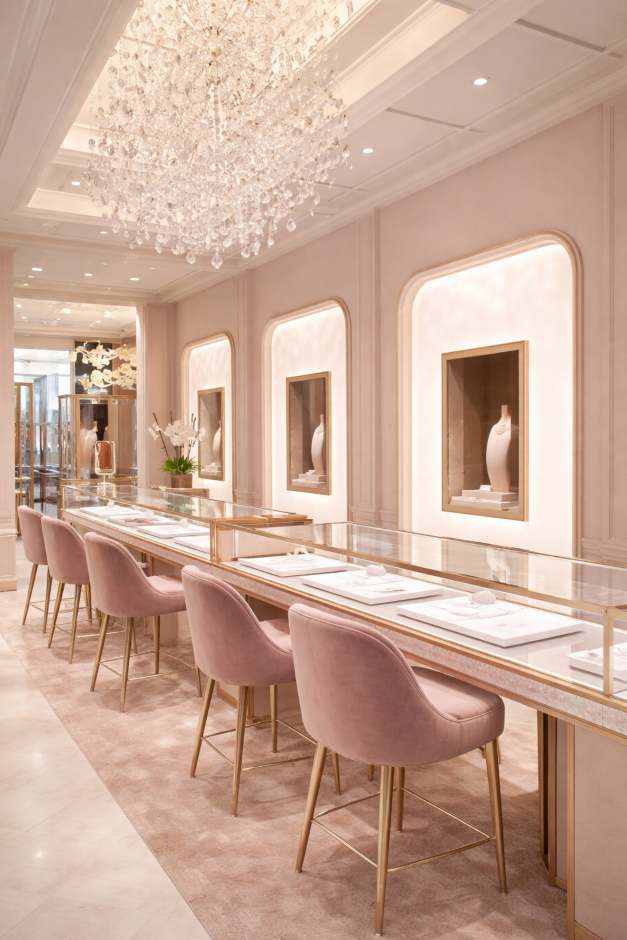
Retail interior design is the discipline that transforms commercial spaces into environments capable of telling stories, attracting customers and guiding purchasing decisions.
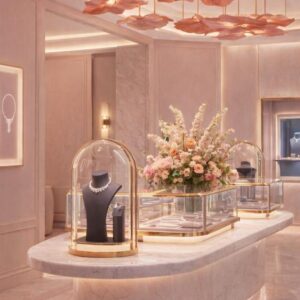
When designing a retail space, every element is carefully considered to create an experience that is consistent with the brand’s identity. This applies to everything from the layout of the furnishings to the choice of materials. This applies to boutiques, stores, shops, showrooms and so on…
What do you need to know about retail interior design?
Retail interior design deals with the interior design of shops and aims to develop concepts for retail spaces that are at once welcoming, functional and conversion-oriented.
To achieve this, a retail interior designer draws on a mix of different disciplines. These range from traditional interior design, from which they take the tools to create spaces that are aesthetically coherent and pleasant to experience, to marketing and consumer psychology, from which they draw principles to guide purchasing behaviour, reinforce brand values and convey promotional messages in a subtle yet effective way.
The role of this discipline is therefore to create shopping experiences that are engaging, meaning capable of leaving a lasting impression on those who observe or visit the retail outlet. This proves fundamental to laying the foundations for a stable relationship between the brand and its customers.
Experts in retail interior design operate both in the B2B sector, designing showrooms, exhibition spaces and environments dedicated to business clients, and in the B2C sector, working on the creation of retail outlets designed to be the primary physical touchpoint between the brand and the consumer.
Historically, this discipline has evolved in tandem with the development of the retail industry. To be precise, its roots lie in the department stores of the 19th century, but it was not until the 1970s that the profession really took off, driven by the growth of large-scale retail. Since then, the design of commercial spaces has become increasingly central to brand positioning strategies. So much so that today it is considered one of the key elements in the success stories of the world’s most recognisable and beloved brands.
What does a retail interior design professional do?
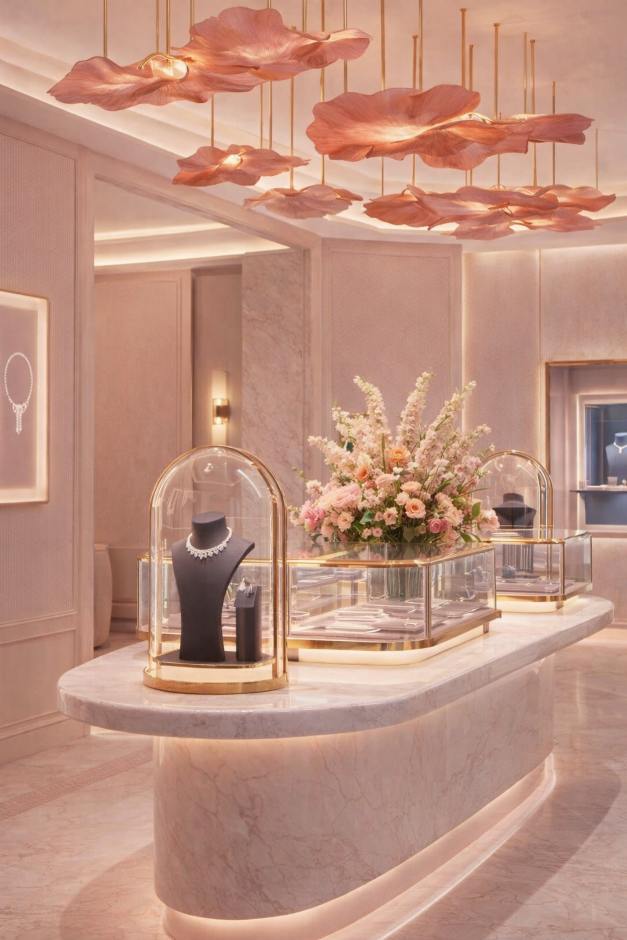
The work of a retail interior design professional begins long before drawing up a floor plan or choosing a finish.
The starting point is always a strategic brief: a document that defines the narrative intended for the space, identifies the brand values to be communicated, and establishes how the products and services should be presented to the public.
Building on this strategic foundation, the professional develops a bespoke concept, tailor-made for the brand. Every detail, from materials to colours, from lighting to display fixtures, is carefully selected to reflect the company’s identity and create a unique environment that cannot be replicated by a competitor.
Another key skill concerns the design of the shopping journey. The retail interior designer studies how the customer moves through the space, optimises footfall patterns, defines the areas of greatest visual impact and curates product displays to maximise interest and encourage purchases. In this sense, the layout is never random, but the result of in-depth consideration of customer psychology.
Similarly, the professional works on brand recognition, ensuring consistency across different retail outlets and fidelity to the brand’s history. This remains true even when the brand evolves or undergoes a refresh.
In particular, it is worth noting that Il Piccolo is one of the leading players in the bespoke contract furniture market. The company is renowned for its high quality, its ability to handle large-scale projects and its truly personalised service, from design right through to installation. Furthermore, the client is supported at every stage directly by the owners.
How is a retail interior design project structured?
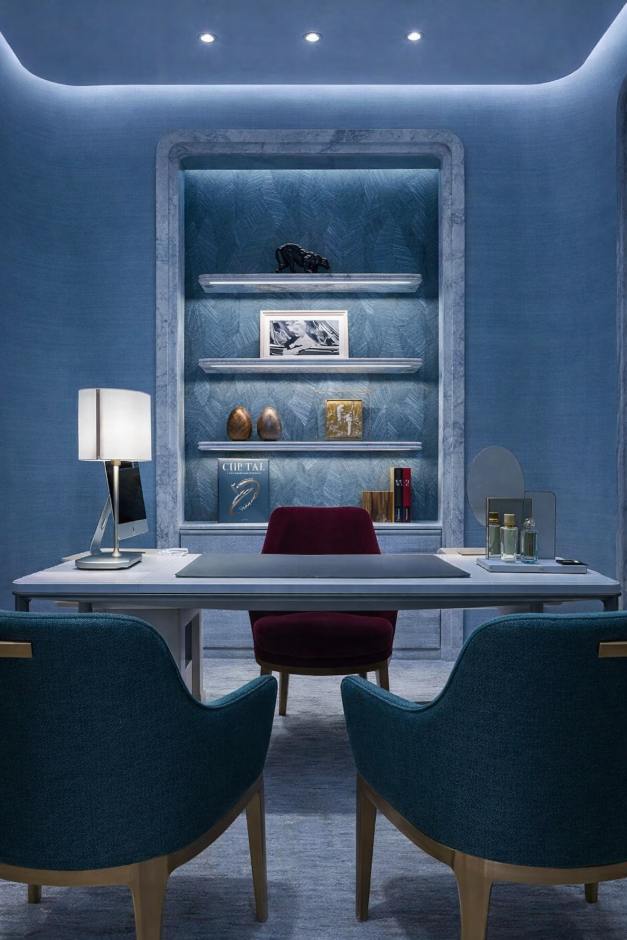
The first phase of retail interior design work focuses on brand analysis: the designer immerses themselves in the brand’s history, studying its core values, product or service offering, market positioning and the messages it aims to convey. This preliminary work is essential to ensure that the space is an authentic expression of the corporate identity.
This is followed by an analysis of the physical spaces to be designed. In this regard, the dimensions, architectural layout, natural light, structural constraints and opportunities offered by the site are assessed. This phase is crucial for translating the strategic concept into concrete and feasible solutions.
The third step involves designing the shopping journey, which is carried out with a particular focus on building a relationship with the customer. We define how the visitor will enter the space, what they will see first, how they will be guided to discover the products, and at which points they will be invited to interact or pause. The aim is to transform every visit into a memorable experience, not merely a transaction.
Added to all this is meticulous attention to stylistic and sensory details, such as textures, scents, colour temperature and acoustic quality. In retail interior design, indeed, the senses play a key role, as they influence the emotions that guide purchasing decisions.
Choose a top-notch woodworking shop.
We have over 50 years of experience!
Contact us!
Il Piccolo, second generation family-run carpentry shop, opens its showroom in Lugano. With over 50 years of experience, Il Piccolo brings with it a wealth of technical and design knowledge of the highest level, thanks to the many interiors designed and furnished all over the world. In addition, Il Piccolo represents the most prestigious brands of furniture worldwide. Il Piccolo designs, manufactures and sells the best of interior design made in Italy, following the customer from design to implementation, delivery and installation of the work, integrating the process with a precise and professional service. CONTACT US