Commercial Interior Design: How to Create Perfect Contract Spaces?
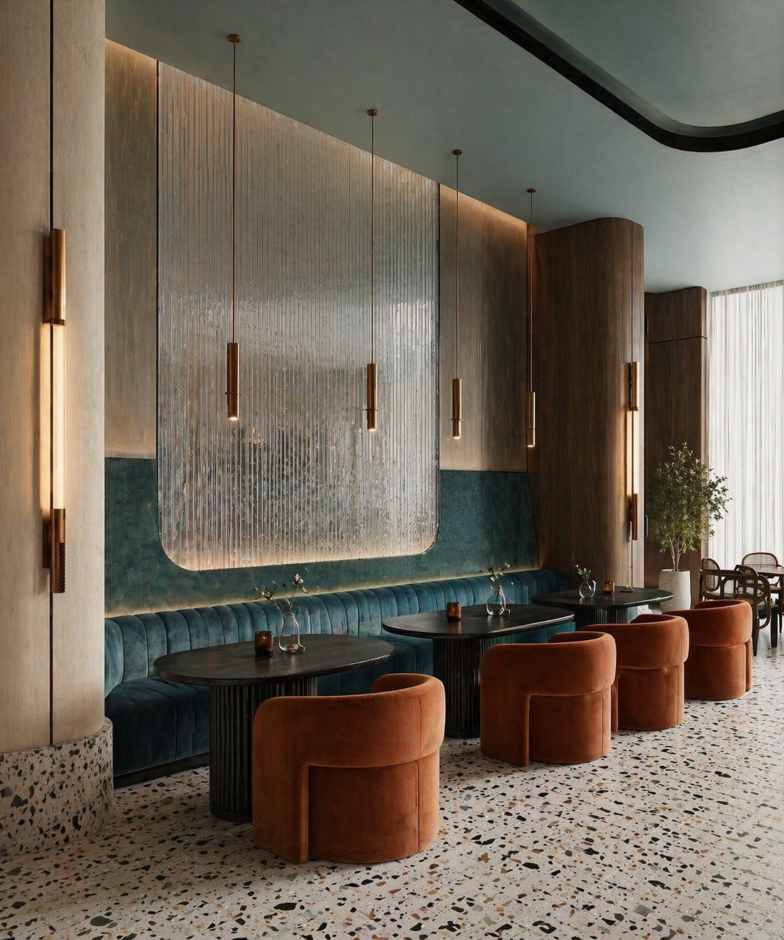
When it comes to commercial interior design, the most common mistake is to assume that, all things considered, furnishing an office or setting up a boutique is easier than furnishing a private home.
In reality, the line between a merely adequate commercial space and a highly effective one is thinner than it seems. The difference often lies in precise design choices, in-depth knowledge of materials, and a strategic vision of the experience intended for those entering the space. Not to mention the craftsmanship of the workshop that will build the furniture and furnishings.
From this perspective, successful commercial interior design does not merely make a location visually pleasing. It delves deeply into the brand’s identity, the behavioral dynamics of users, and the functional efficiency of every square meter. Whether it’s an open-plan space for a tech company or a boutique in the heart of a fashion capital, the basic principles remain the same. The details change, but the substance remains the same.
How do you define the identity of a commercial interior design project?
The starting point for any contract project is understanding the client’s identity. Even before considering materials, colors, or lighting, you must understand who the brand is and what it aims to communicate. This is true when designing an office, but it is also true when furnishing a luxury store
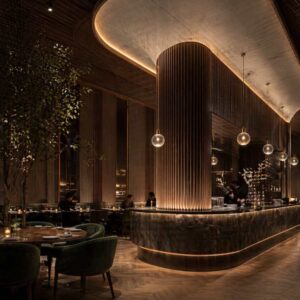
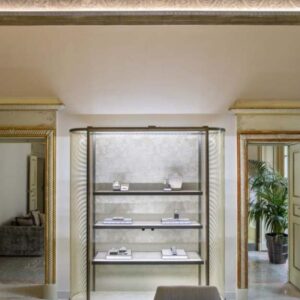
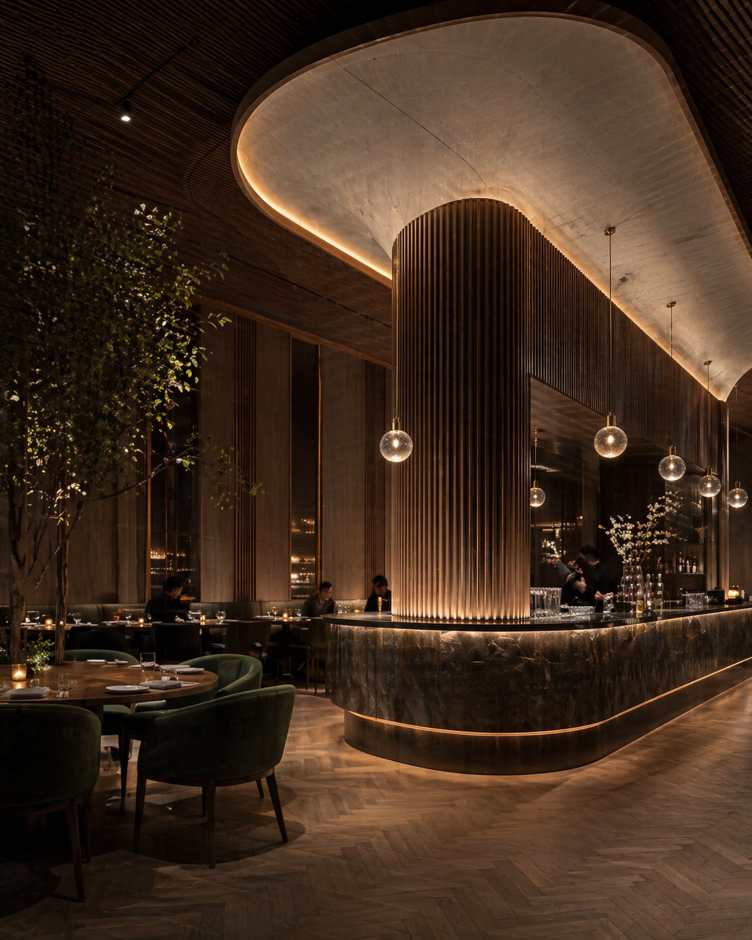
In the case of a boutique, for example, every decision regarding commercial interior design must reflect the brand’s values. This applies to the type of wood used for panels, the finish of metals, and the balance between display units and open space. Nothing is left to chance. When a customer enters a high-end retail space, their eye must perceive a precise narrative, crafted along a visual path that has been meticulously planned.
The same principle applies to work environments. In fact, an office says a lot about a company. For example, it reflects its culture, its approach to people, and the level of attention it devotes to the well-being of its employees. Therefore, a commercial interior design project must always begin with an analysis of the company’s identity. Only then does one move on to the structuring of the spaces.
Then there is the matter of customer flow. In a commercial space, people move in predictable ways. How so? They follow visual paths, stop at certain points, and avoid certain corners. Designing and then executing the project while taking these dynamics into account means guiding the visitor’s experience without them realizing it. It is a task that requires expertise in the psychology of spaces, as well as pure aesthetics.
Materials and finishes: which choices make the real difference?
The selection of materials is perhaps the phase where a highly experienced design studio distinguishes itself from a more ordinary one. In fact, when it comes to commercial interior design, materials serve not only to create an aesthetic effect. They must meet requirements for durability, ease of maintenance, and consistency with the brand. Therefore, the utmost attention must be paid: the wrong choice of a finish will have consequences that are difficult to correct later on.
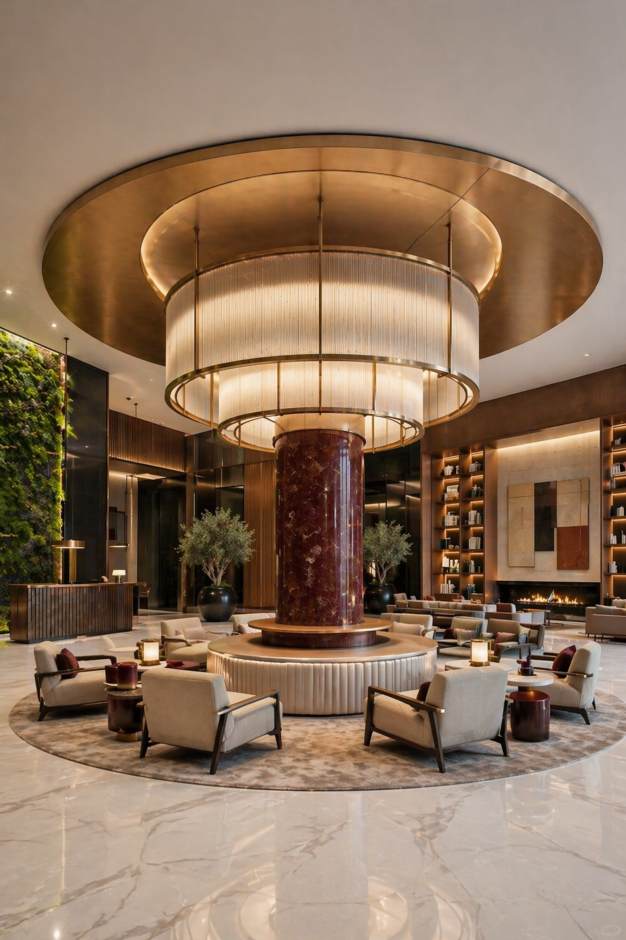
In luxury retail, fine wood species often interact with handcrafted metals, natural stone, and fabrics. Combining these elements requires considerable technical expertise. One must understand how materials behave over time, how they react to changes in temperature and humidity, and how they maintain their visual appeal through daily use.
In office spaces, the requirements change, but they do not diminish. Floors must withstand heavy foot traffic. Surfaces must be easy to clean. Acoustic coverings must reduce noise without making the space feel heavy. All of this must be achieved without sacrificing the visual coherence of the project. It is a difficult balance, but it is precisely here that the quality of commercial interior design is measured.
Another observation. An often-overlooked aspect is lighting. In luxury retail especially, light shapes the perception of products more than the furnishings themselves. What advice, then? Light sources must be precisely calibrated. For example, factors such as color temperature, angle, and intensity must be carefully considered. A mistake at this stage can compromise months of design and construction work.
Project management and suppliers: how to avoid the most common problems?
Even the best-conceived project can fall apart during the execution phase. Consequently, when it comes to commercial interior design, supplier management is one of the most critical factors.
This is because finding a partner capable of delivering high-quality work, meeting deadlines, and ensuring consistent quality is no easy task. It becomes even more complex when the project is carried out on an international scale.
The most common issues concern three areas. The first is communication: misunderstandings can arise between the designer, the woodworking shop, and the client, leading to costly mistakes. Clarifying every detail during the briefing phase, with precise technical drawings and accurate material specifications, is essential.
The second concerns delivery times. In contract work, delays have a direct impact on construction costs. Therefore, relying on suppliers with genuine production capacity and a controlled supply chain significantly reduces this risk. It is not enough for a partner to have a nice catalog; one must verify their actual ability to meet deadlines—and to do so under pressure.
The third critical area is logistics. When a project takes place abroad, one must deal with customs regulations, certificates of origin, and restrictions on specific materials. A supplier with international expertise knows how to manage all these variables. Conversely, a less structured studio can turn them into a serious problem that brings the entire construction site to a standstill.
In short, commercial interior design is a discipline that leaves no room for approximation. Every choice—from materials to suppliers, from lighting to furniture layout—has direct consequences on the final result. Approaching it methodically and relying on professionals with solid experience in the sector is the only way to transform an ambitious project into a space that works and that… sells!
Choose a top-notch woodworking shop.
We have over 50 years of experience!
Contact us!
Il Piccolo, second generation family-run carpentry shop, opens its showroom in Lugano. With over 50 years of experience, Il Piccolo brings with it a wealth of technical and design knowledge of the highest level, thanks to the many interiors designed and furnished all over the world. In addition, Il Piccolo represents the most prestigious brands of furniture worldwide. Il Piccolo designs, manufactures and sells the best of interior design made in Italy, following the customer from design to implementation, delivery and installation of the work, integrating the process with a precise and professional service. CONTACT US